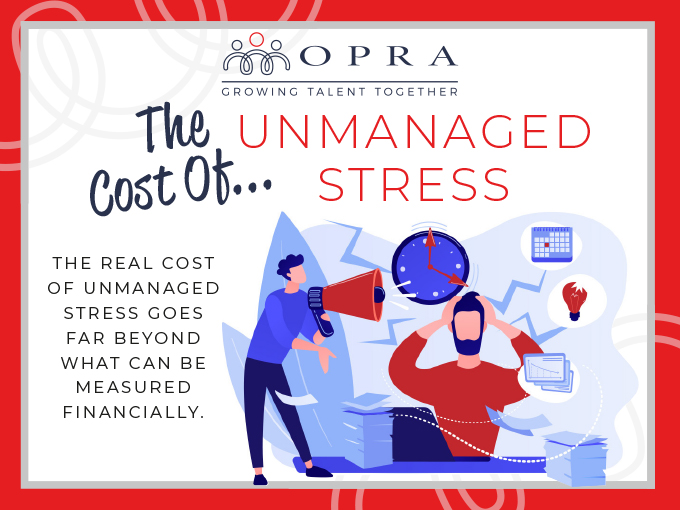
Stress in the workplace isn’t new, but the scale of its impact is becoming impossible to ignore. Sickness absence in the UK is now at a 15-year high, and work-related ill health is costing the economy over £400 million every single week. These figures alone are alarming, but the real cost of unmanaged stress goes far beyond what can be measured financially. Behind every statistic is a person.
The Human Impact Behind the Numbers
When stress is left unmanaged, it doesn’t just affect attendance, it affects people’s lives, confidence, and long-term wellbeing.
Many employees experiencing ongoing stress report:
- Burnout, where exhaustion becomes the norm rather than the exception
- Anxiety, impacting both work performance and personal life
- Disengagement, as motivation and connection to work decline
- Long-term absence, often following prolonged periods of ‘pushing through’
What often starts as manageable pressure can quietly escalate into something far more serious if left unaddressed.
The Hidden Business Costs
While rising absence levels are visible, many of the most damaging effects of unmanaged stress are less obvious, but just as costly.
Organisations often see:
- Lower morale and team cohesion
- Reduced productivity and increased errors
- Higher employee turnover and recruitment costs
- A workplace culture where people feel unsupported or unheard
Over time, these issues compound. Teams become reactive rather than resilient, and leaders find themselves constantly firefighting rather than planning for growth.
Why Early Action Makes the Difference
The organisations that manage stress most effectively aren’t those with endless resources, they’re the ones that act early.
Proactive people management can include:
- Encouraging open, regular conversations about workload and wellbeing
- Providing clarity around expectations and priorities
- Training managers to recognise early warning signs
- Offering structured support before issues escalate
These actions don’t just reduce absence. They build trust, psychological safety, and long-term resilience across teams.
Wellbeing as a Strategic Priority
Supporting employee wellbeing isn’t about offering quick fixes or one-off initiatives. It’s about embedding people-first thinking into everyday management practices.
When employees feel listened to and supported:
- Engagement improves
- Performance stabilises
- Retention strengthens
- Workplace culture becomes healthier and more sustainable
In a challenging economic and workforce landscape, wellbeing isn’t a ‘nice to have’, it’s a business imperative.
How The OPRA Group Can Help
At The OPRA Group, we work with organisations to put practical, people-centred solutions in place, helping leaders manage stress, reduce risk, and support their teams effectively.
Whether it’s HR consultancy, manager support, or proactive wellbeing strategies, we help businesses move from reactive to resilient. The question isn’t whether unmanaged stress has a cost, it’s whether organisations can afford to ignore it. How is your organisation supporting employee wellbeing right now?
Learn more about our HR consultancy services: https://theopragroup.com/hr-consultancy/
#WorkplaceWellbeing #HRInsights #PeopleManagement #Leadership #GrowingTalentTogether